


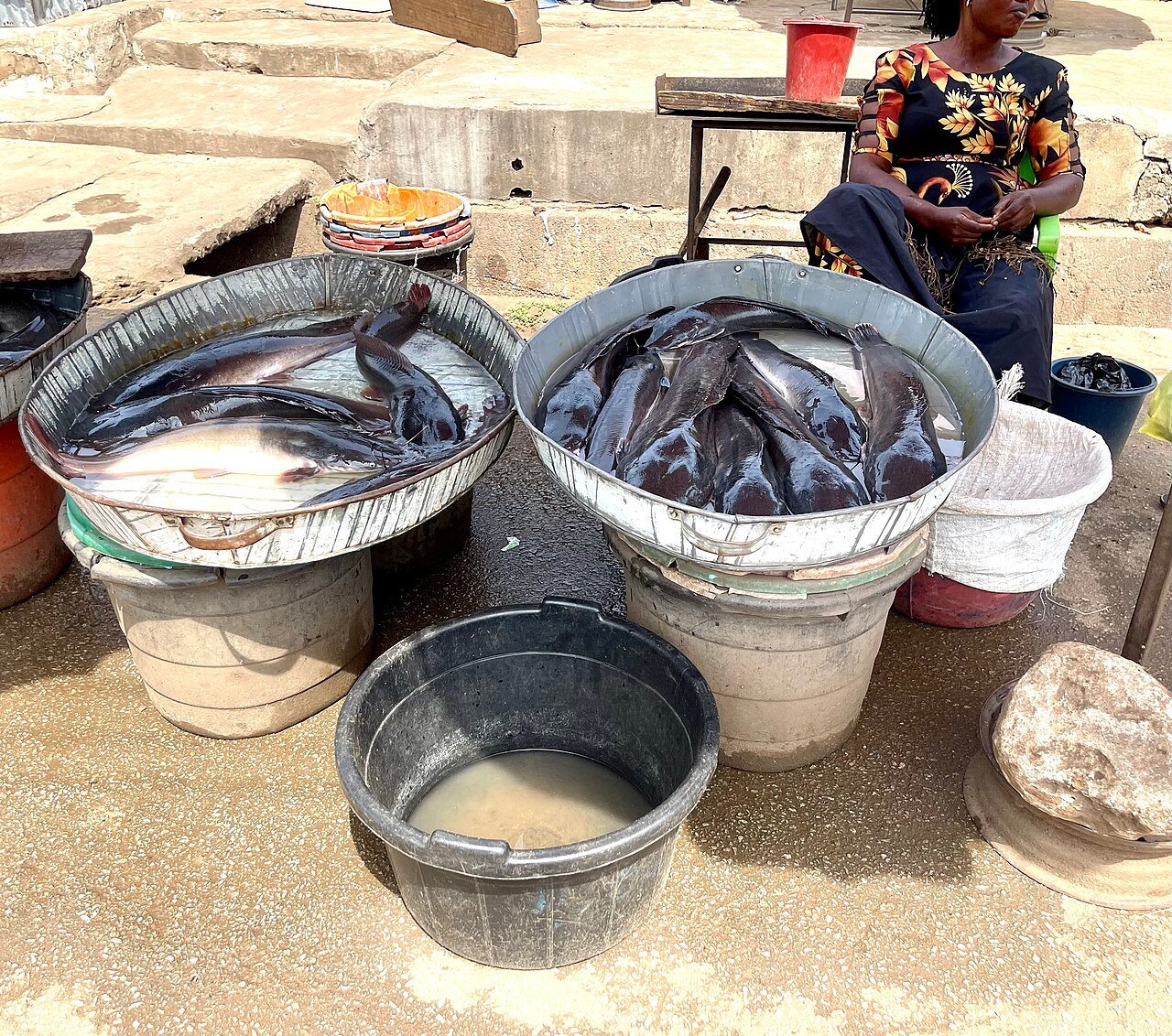
Catfish farming is one of the most practical ways to enter aquaculture in Nigeria. African catfish (Clarias gariepinus) is hardy, grows quickly, tolerates high stocking densities and sells in fresh, live and smoked forms across the country. That does not make it easy money. Feed, water quality and market access decide whether a fish farm makes a profit.
This guide explains how to start catfish farming in Nigeria in 2026, from choosing a pond system to estimating profit before you stock your first fish.
Key takeaways
- Catfish can reach table size in about four to six months from juveniles with good feed and management.
- Feed is usually the largest cost, so feed quality and feeding discipline drive profit.
- Water quality management prevents most mass losses.
- Confirm buyers before stocking: live-fish sellers, smokers, restaurants and processors.
- Start with one or two ponds and record every cost before expanding.
Why catfish?
- Strong demand: catfish is widely eaten fresh, in pepper soup, and smoked or dried.
- Hardy species: it can breathe air and tolerates conditions that would stress many other fish.
- Relatively short cycle: several production cycles are possible each year.
- Flexible scale: it can be raised in backyard tanks or commercial earthen ponds.
1. Choose your production system
Earthen ponds
Dug into suitable soil with a reliable water source. They can hold large volumes at lower cost per fish, and natural pond productivity helps. They need the right site, clay-rich soil that holds water and good drainage.
Concrete ponds
Durable, easier to clean and suitable for urban or limited-space sites. They cost more to build and require more water changes because there is less natural buffering.
Tarpaulin or plastic tanks
Lower startup cost, portable and popular with beginners. They are less durable and can heat up in direct sun, so shade and water management matter.
Recirculating systems
Filter and reuse water, allowing high density in small spaces. They need reliable power and technical skill, and equipment costs are higher. They suit experienced operators rather than first-time farmers.
2. Pick the right site
Your site needs a dependable supply of clean water all year, such as a borehole, well or stream, plus a way to drain and replace water. Check access roads for feed delivery and fish transport, security, flooding risk and distance to buyers. If you are acquiring land, follow our land due diligence checklist.
3. Source healthy fingerlings or juveniles
Buy from reputable hatcheries with a track record. Fingerlings are cheaper but have higher mortality and take longer to grow; juveniles cost more but shorten the cycle and reduce early losses. Ask about the parent stock, age, size uniformity and how fish are transported. Acclimatise new fish gradually to your pond water.
4. Feed management
Feed is the biggest operating cost in most catfish farms. Quality floating feed lets you see how much the fish eat and reduces waste. Young fish need higher-protein feed; feed size and protein level change as fish grow.
- Feed at regular times and adjust quantity to what fish actually consume.
- Avoid overfeeding: uneaten feed pollutes water and wastes money.
- Track feed used per kilogram of fish produced. This feed conversion figure is the single most useful number on a fish farm.
- Store feed dry and off the floor to prevent mould.
Some farmers mix their own feed to reduce costs. That can work, but inconsistent quality often slows growth and erases the savings.
5. Water quality
Most sudden mass deaths come from poor water. Watch for bad smells, fish gasping at the surface, refusing feed or unusual behaviour. Change water regularly, remove waste and dead fish promptly, avoid overstocking and do not overfeed. Simple test kits for ammonia, pH and dissolved oxygen help larger operations catch problems early.
6. Sorting and grading
Catfish grow at different rates, and larger fish can attack smaller ones. Sorting fish by size every few weeks reduces cannibalism, improves feeding and leads to a more uniform harvest.
7. Health and biosecurity
Buy healthy stock, quarantine new fish where possible, keep equipment clean and limit visitors around ponds. Remove sick or dead fish immediately and investigate the cause. Get advice from a fisheries officer or veterinarian when losses rise.
8. Harvest and selling
Catfish are commonly harvested at around one kilogram or more, depending on what buyers want. Possible markets include:
- Live-fish sellers and open markets.
- Restaurants, hotels and pepper-soup joints.
- Fish smokers and processors.
- Direct sales to households and events.
Agree size, quantity, price basis and payment terms before harvest. Staggering stocking dates lets you supply buyers regularly instead of flooding the market once. Our guide on how to sell farm produce in Nigeria covers finding and keeping buyers.
9. Add value with smoking
Smoked or dried catfish keeps longer, can be transported further and may sell at a higher price per kilogram. It adds costs (labour, fuel, kiln, packaging) and hygiene requirements, so model it separately before investing.
Startup costs to budget for
- Pond or tank construction, or lease of existing ponds.
- Water source: borehole, pumps, pipes and drainage.
- Fingerlings or juveniles.
- Feed for the full cycle (the largest item).
- Nets, buckets, scales and basic test kits.
- Labour and security.
- Power or fuel for pumping.
- Transport and harvest costs.
- A contingency reserve for losses and delays.
Use our farm startup cost guide to build a full budget and separate startup costs from working capital.
How to estimate profit
- Estimate fish stocked and a realistic survival rate.
- Multiply survivors by expected harvest weight to get total kilograms.
- Multiply by a conservative selling price per kilogram.
- Subtract fingerlings, feed, labour, water, energy, transport and other direct costs.
- Subtract a share of pond and equipment costs.
Then rerun the numbers with lower survival, lower harvest weight and a lower price. If profit disappears quickly, reduce costs or start smaller.
Common mistakes
- Stocking before finding buyers.
- Overstocking to save on ponds.
- Buying cheap, poor-quality fingerlings.
- Overfeeding or using inconsistent feed.
- Ignoring water changes and early warning signs.
- Harvesting everything at once into a weak market.
Frequently asked questions
How long does catfish take to grow in Nigeria?
With good feed and water, juveniles commonly reach table size in about four to six months. Fingerlings take longer.
Is catfish farming profitable in Nigeria?
It can be, when feed costs, survival rates and selling prices leave a margin. Feed prices and market access are the biggest swing factors.
Can I start catfish farming at home?
Yes. Tarpaulin or concrete tanks can work in a compound, provided you have reliable water, drainage, shade and neighbours who will not be affected by odour.
Is fish farming better than poultry?
Neither is automatically better. Both depend heavily on feed costs. Compare them in our poultry farming guide and our list of the most profitable farming businesses.
Bottom line
Catfish farming rewards disciplined operators who control feed, water and sales. Start small, record every cost and expand only when your numbers prove the system works. New to agriculture? Begin with our guide on how to start farming in Nigeria.
Sources: FAO: Cultured Aquatic Species Information Programme, Clarias gariepinus; Federal Ministry of Agriculture and Food Security.
Featured image: “Catfish seller in Nigeria” by Confidence24, licensed under CC BY-SA 4.0.